
August 2, 2026
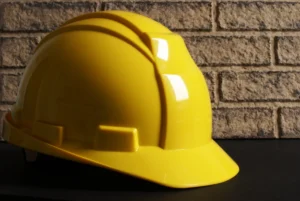
Construction sites are among the most hazardous workplaces in the country. Workers face the risk of falling tools and materials, low overhead structures, electrical hazards, slips and falls, and heavy equipment operating nearby. One of the simplest yet most important pieces of personal protective equipment (PPE) is the hard hat.
While a hard hat cannot prevent every injury, it can significantly reduce the risk of serious head trauma when it is properly selected, maintained and worn correctly. Unfortunately, workers sometimes wear damaged hard hats, use the wrong type for the job or fail to wear them altogether, putting themselves at greater risk of severe injury.
Understanding how hard hats protect workers—and recognizing when employers fail to provide a safe work environment—can help construction workers stay safer and better understand their legal rights after an accident.
Why Hard Hats Are So Important
Head injuries are among the most serious injuries that can occur on a construction site. A blow to the head can result in:
- Concussions
- Skull fractures
- Traumatic brain injuries (TBIs)
- Neck injuries
- Permanent cognitive impairment
- Vision or hearing loss
- Paralysis
- Fatal injuries
Hard hats are designed to absorb and distribute the force of an impact, helping reduce the severity of injuries caused by falling objects or accidental contact with fixed structures. On many job sites, wearing a hard hat is not simply recommended—it is required under workplace safety regulations.
Inspect Your Hard Hat Before Every Shift
A hard hat is only effective if it is in good condition. Before beginning work each day, take a few moments to inspect it carefully.
Look for signs of damage such as:
- Cracks or dents in the shell
- Deep scratches or gouges
- Brittleness or discoloration caused by sunlight or age
- Loose or missing suspension components
- Broken chin straps or fasteners
- Evidence that the hard hat has sustained a previous impact
Even if damage appears minor, the protective ability of the hard hat may be compromised. If you notice any defects, report the issue and replace the hard hat before continuing work.
Workers should also follow the manufacturer’s recommendations regarding the useful lifespan of both the hard hat shell and the internal suspension system, as these components wear out over time.
Wear Your Hard Hat Correctly
A hard hat cannot provide adequate protection if it is worn improperly.
To maximize its effectiveness:
- Wear the internal suspension system exactly as designed.
- Adjust the fit so the hard hat sits securely on your head.
- Fasten the chin strap whenever one is provided or required.
- Position the hard hat facing forward unless the manufacturer specifically approves reverse wear.
- Never remove or modify the suspension system.
Some workers wear hard hats loosely or backwards for comfort or convenience. Others remove the chin strap or alter the suspension to improve the fit. These modifications can greatly reduce the hard hat’s ability to protect against an impact.
Choose the Right Hard Hat for the Job
Not all hard hats offer the same level of protection. Different jobs expose workers to different hazards, and hard hats are designed with varying levels of impact and electrical protection.
Depending on the work being performed, workers may need protection from:
- Falling tools and materials
- Flying debris
- Electrical hazards
- Low overhead obstacles
- Heavy machinery
Employers should provide hard hats that are appropriate for the specific hazards present on the job site and ensure workers understand when specialized equipment is necessary.
Avoid Modifying Your Hard Hat
Many workers personalize their hard hats with stickers, paint or accessories. While some manufacturer-approved decals may be acceptable, unauthorized modifications can weaken the shell or interfere with inspections.
Avoid:
- Drilling holes
- Painting the shell unless approved by the manufacturer
- Applying harsh chemicals or solvents
- Using adhesives not recommended by the manufacturer
- Attaching accessories that alter the hard hat’s performance
If you’re unsure whether a modification is safe, consult your employer or the manufacturer’s instructions before making any changes.
Hard Hats Are Only One Part of Construction Safety
Although hard hats provide critical protection, they cannot eliminate every workplace hazard. Construction employers have a responsibility to maintain reasonably safe job sites and comply with applicable safety standards.
A safe work environment may include:
- Fall protection systems
- Proper scaffolding
- Equipment inspections
- Safe lifting practices
- Hazard communication
- Employee safety training
- Adequate supervision
- Personal protective equipment appropriate for the work being performed
When employers ignore safety requirements, workers may suffer preventable injuries despite wearing proper protective equipment.
What If You’re Injured Despite Wearing a Hard Hat?
A hard hat may reduce the severity of a head injury, but it cannot prevent every accident. Workers can still suffer serious injuries if:
- Objects fall from excessive heights.
- Equipment malfunctions.
- Safety procedures are ignored.
- Another contractor creates a dangerous condition.
- Defective equipment fails during normal use.
In some situations, an injured construction worker may have legal options beyond workers’ compensation. For example, if a subcontractor, property owner, equipment manufacturer or another third party contributed to the accident, the injured worker may also have a personal injury claim.
An experienced attorney can investigate the accident, identify all potentially responsible parties and determine whether additional compensation may be available.
Contact Wise Law Offices
If you were injured on a construction site, workers’ compensation may not be your only source of recovery. If a negligent third party contributed to your injuries, you may also be entitled to pursue compensation through a personal injury lawsuit.
The experienced attorneys at Wise Law Offices can evaluate your case, determine whether a third-party claim may be available, and fight to recover compensation for your medical expenses, lost wages, pain and suffering, and other damages.
Call Wise Law Offices today at (312) 261-6193 for a free consultation or contact us online to discuss your case.
Learn More
Practice Area: Workplace Injuries
Success Stories: Workplace Injuries
Disclaimer: The information provided in this blog post is for general educational and informational purposes only and should not be construed as legal advice. Every legal matter is unique, and the information contained herein may not apply to your specific circumstances. Reading this blog does not create an attorney-client relationship between you and Wise Law Offices. If you have questions about a personal injury, medical malpractice, wrongful death, or other legal matter, you should consult with a qualified attorney to discuss the facts of your case.